The Light We Lost
The attic smelled of dust and lavender.
I hadn’t been up here since we buried her. Twenty years of avoiding the creak of the floorboards, the way the slanted ceiling pressed down like a held breath. But today, the roof was leaking, and the ceiling in the guest bedroom had started to sag. So I climbed the ladder, flashlight in hand, and shone the beam into the corners where the past had been packed away in cardboard boxes.
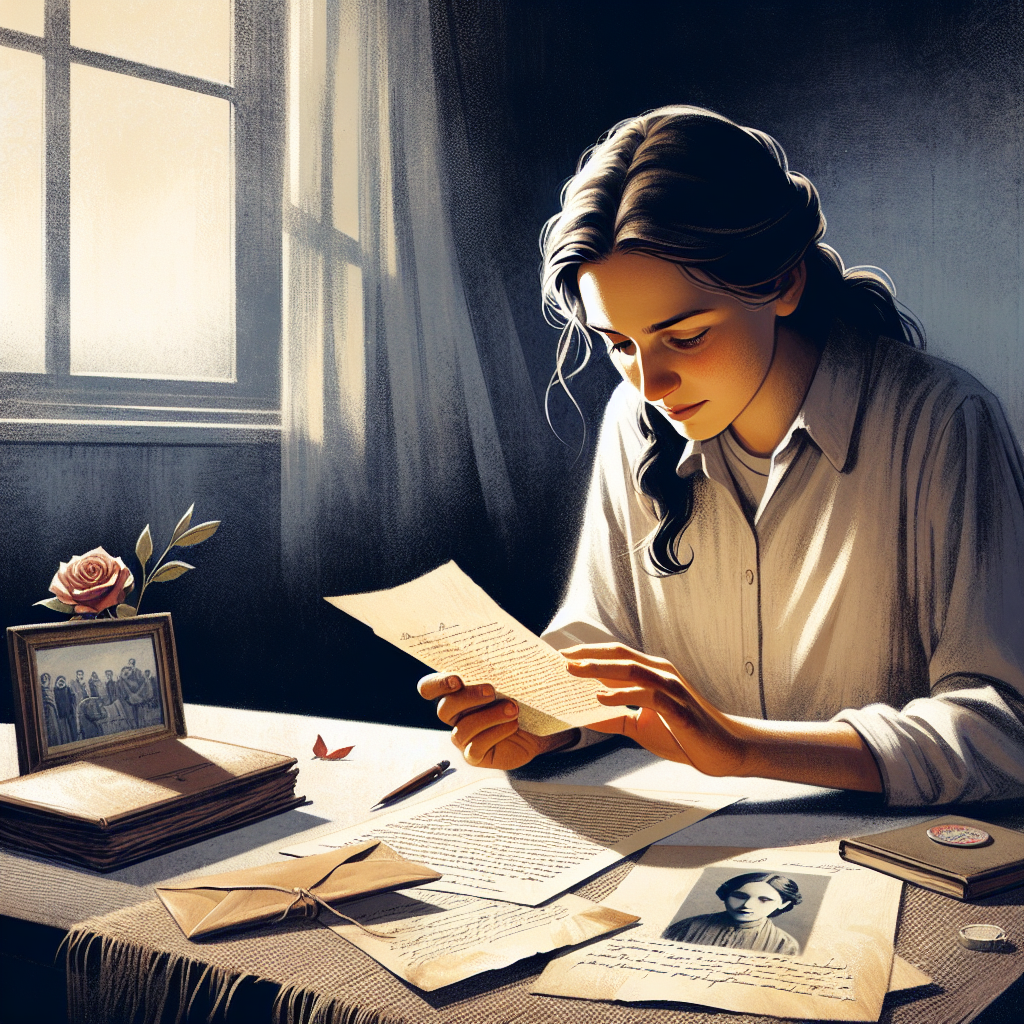
That’s when I saw it: a small, yellowed envelope tucked beneath the eaves, my name scrawled across it in her handwriting. Lila. Not the careful cursive she used for birthday cards, but the hurried, slanted script she reserved for grocery lists and late-night notes. My fingers trembled as I brushed off the dust. The seal had never been broken.
Before It Happened
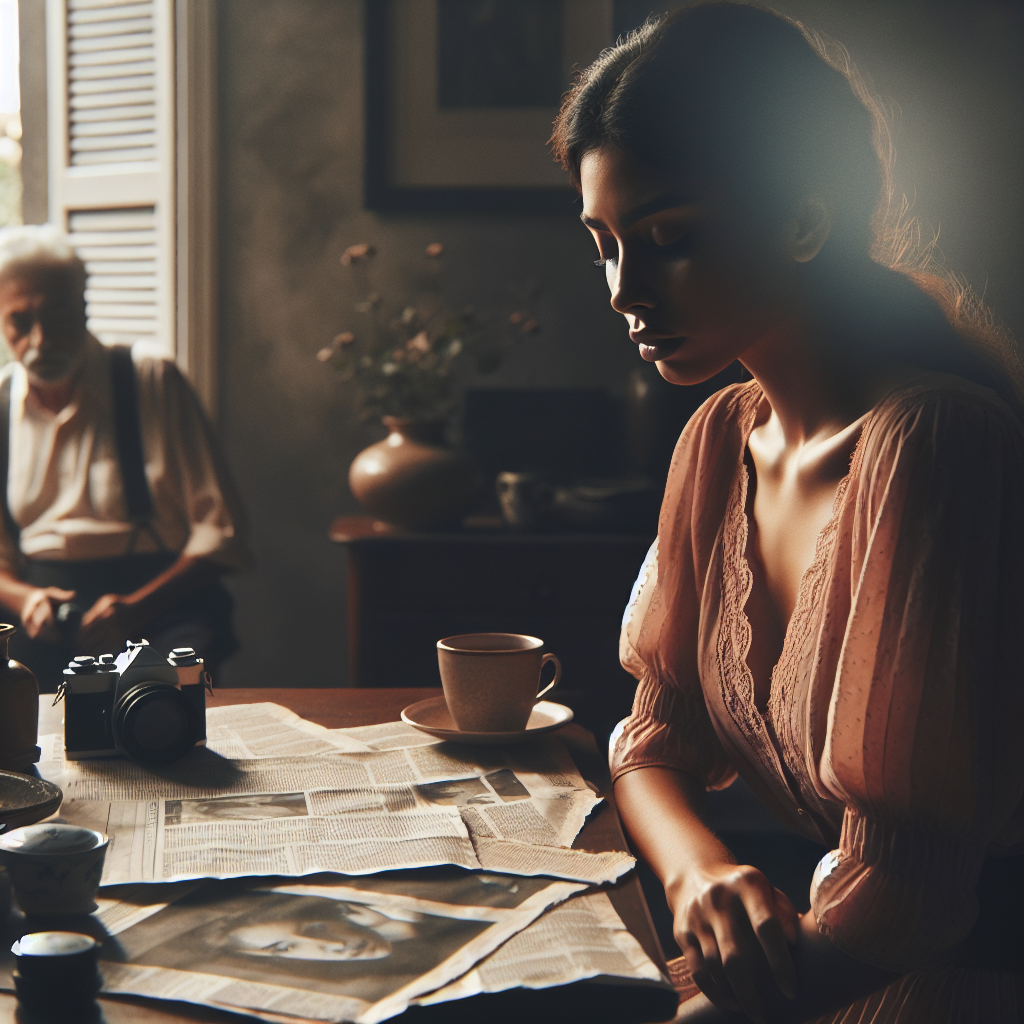
She was always the first one up. I’d wake to the clatter of her favorite mug against the counter, the scent of coffee and cinnamon curling under my door. Mornings in our house were a symphony of small, predictable sounds: the whistle of the kettle, the rustle of the newspaper, the way she hummed along to the old radio on the windowsill. She called it her “morning ritual,” and it was the one thing that never changed, even as everything else did.
I was fifteen when she started getting tired. Not the usual kind of tired—this was something deeper, a weariness that settled into her bones. She’d pause halfway up the stairs, her hand pressing into the wall like she was steadying herself against a wave. “Just need a minute,” she’d say, smiling like it was nothing. But I saw the way her knuckles turned white.
We didn’t talk about it. Not really. She went to her appointments alone, came home with pamphlets she’d slip into the junk drawer before I could see. I pretended not to notice the way her laughter grew quieter, the way she started watching me with a look I couldn’t name—something like sorrow, something like love.
The Moment Everything Changed
It was a Tuesday. I remember because General Hospital was on, and she never missed it. But that afternoon, she called me into her room instead. The blinds were half-drawn, casting stripes of light across the quilt she’d made the winter I was born. She patted the bed beside her, and I sat, my stomach twisting.
“Lila,” she said, her voice steady but soft, like she was talking to a spooked animal. “I need to tell you something.”
I already knew. Some part of me had known for months.
“The treatments aren’t working.”
The words hung between us, heavy and final. I wanted to scream, to beg, to rewrite the story. But she just reached for my hand, her fingers cold. “I’ve written you a letter,” she said. “For when you’re ready.”
I didn’t ask what it said. I didn’t want to know.
The Fallout
She was gone by spring. The house felt too big without her, the silence too loud. Dad tried to keep things normal—dinner at six, lights out by ten—but we both knew it was just a performance. We moved through the days like ghosts, avoiding the attic, the junk drawer, the unopened envelope tucked in my nightstand.
I left for college that fall. Then grad school. Then a job in the city, where no one knew my name or the way my mother’s hands used to brush the hair from my face. I buried myself in work, in noise, in anything that would drown out the quiet ache of missing her.
Years passed. I got married. Had a daughter of my own. And still, the envelope stayed sealed.
What I Learned—or Feared
It wasn’t until my own daughter turned fifteen that I understood.
One evening, as I watched her curl into the couch with a book, her feet tucked under her like she was trying to make herself smaller, I saw my mother in her. The same stubborn tilt of the chin. The same way her lashes cast shadows on her cheeks when she read. And for the first time, I was afraid—not of losing her, but of her never knowing the woman who had loved us both so fiercely.
That night, I pulled the envelope from its hiding place. The paper was fragile, the ink faded to brown. My hands shook as I unfolded it.
How It Ended (And What Stayed With Me)
My dearest Lila,
If you’re reading this, I’ve missed so much of your life. That’s the hardest part—not knowing what you’ve become, who you’ve loved, the person you’ve grown into. But I need you to know this: I chose to write this letter not because I was giving up, but because I wanted you to hear my voice again, long after mine was gone.
I’ve spent my life trying to protect you from the hard things. But the truth is, love isn’t about shielding someone from the storm—it’s about teaching them how to dance in the rain. You’re stronger than you think, my darling. And you are so, so loved.
One day, you’ll hold your own child, and you’ll understand the terrifying, beautiful weight of it. You’ll want to wrap them in bubble wrap, to keep the world from touching them. But don’t. Let them live. Let them fall. And when they do, be the hand that helps them up.
I’m not gone, not really. I’m in the way you stir your coffee, in the stubborn set of your jaw, in the stories you’ll tell your children about the woman who loved you first.
Always, Mom
I sat on the attic floor for a long time after I read it, the letter clutched in my hands. The house didn’t feel so empty anymore. It was filled with echoes—her laughter in the kitchen, the creak of her rocking chair, the way she’d call my name when she needed help reaching something on the top shelf.
I thought losing her was the hardest thing I’d ever face. But it wasn’t. The hardest thing was learning to live with the love she left behind.
The moral, I suppose, is this: Grief isn’t a wound that heals. It’s a door that swings open, again and again, to let the past in. And if you’re brave enough to walk through it, you’ll find that love doesn’t end with loss. It just changes shape.