Whispers in the Wind
The train station buzzed with life and anticipation.
People were scurrying around, hauling luggage, hugging loved ones goodbye, kids running with their noses pressed against the cold glass of candy stores. I stood still amidst the sea of movement, clutching the old suitcase that once belonged to her. The whistle blew, and I boarded the last train to Roseville, the town we had left behind.
Before it Happened
We moved to the city when I was just seven, leaving our small town life behind in Roseville. My mother always said it was for a better life, for better opportunities. But even as a child, I saw the longing in her eyes when she watched the sun set, a longing for the open fields and the quiet whispering of the wind in Roseville. She missed home.
In our tiny apartment in the city, she would tell me stories of her childhood. How she would run through fields of wildflowers, how the entire town would gather for potluck dinners, how she and her friends would sneak out to the old Anderson’s barn to tell ghost stories. She painted a picture of a peaceful life, far removed from the blaring horns and blinding city lights.
The Moment Everything Changed
I was seventeen when she passed away. A sudden sickness, they said. But I knew. She had died of a broken heart, longing for the home she left behind.
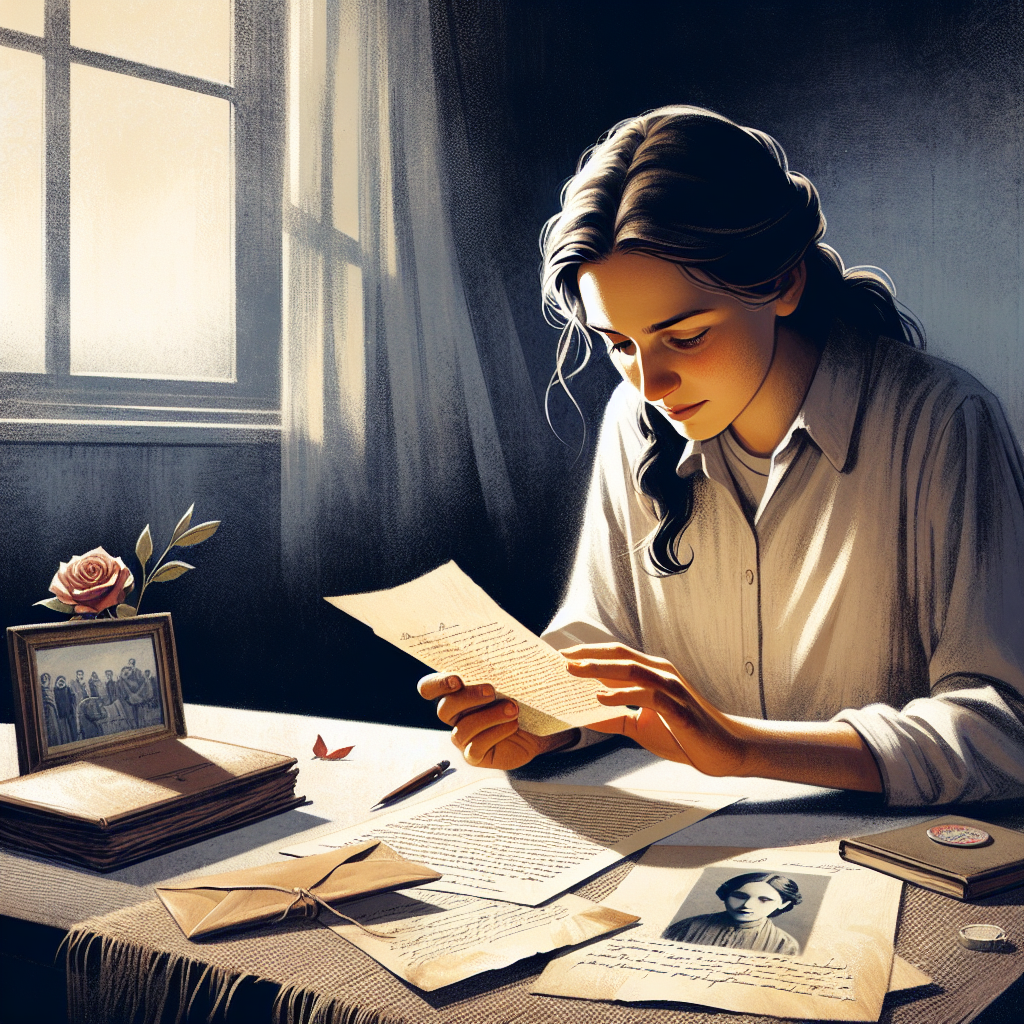
In her will, she left me the old suitcase. It was filled with her memories, her secrets, her longing. Letters from her childhood friends, dried wildflowers, an old photograph of the Anderson’s barn, and a single train ticket to Roseville.
The Fallout
I felt lost without her. The city seemed colder, the nights longer. I tried to move on, but her stories, her memories, they echoed in my mind. I was a girl adrift on a sea of grief, clutching onto her suitcase as my only lifeline.
I buried myself in books and music, in anything that could take me away from the reality of her absence. I graduated, found a job, moved into a small apartment of my own. But the suitcase, it stayed with me.
What I Learned or Faced
I realized I was living in her shadow, carrying her grief, her longing. And it was suffocating me. I needed closure, I needed to understand her, to understand her longing for Roseville. So, ten years after her death, I decided to use the ticket she left me.
I quit my job, packed my bags, and stood on the platform waiting for the last train to Roseville.
How it Ended (And What Stayed With Me)
Roseville was exactly how she described it. The fields of wildflowers, the old Anderson’s barn, the whispers of the wind. I felt her presence there, I heard her laughter, I saw her running through the fields. I felt closer to her.
I stayed there for a year, lived the life she left behind, made peace with her memories. And then I left, carrying with me not just her suitcase, but her spirit, her joy, her love for Roseville.
Back in the city, I found a new job, a new apartment. But this time, I wasn’t just surviving. I was living. And whenever I missed her, I would open the suitcase, touch the dried wildflowers, read the letters, and hear the whispers of the wind.
In the end, it’s not about moving on, it’s about carrying on. Grief is not a burden we must shed, but a love we must carry. It’s about learning to live with the absence, about keeping their memories alive, about honoring their love and their life. After all, they live in us, in our memories, in our hearts, in the whispers in the wind.